Injection-Molded PVDF Components
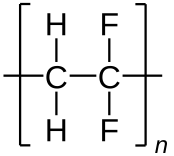
PVDF (Polyvinylidene fluoride) belongs to the group of partially fluorinated fluoropolymers and has established itself as an industrial all-rounder. The material combines comparatively easy thermoplastic processability with a balanced property profile of chemical resistance, mechanical strength, and thermal performance.
The continuous service temperature range of PVDF is between -60 °C and approx. 150 °C. PVDF offers the fluoropolymer-typical chemical resistance and provides mechanical strength comparable to ETFE. Unique among fluoropolymers are its piezoelectric properties after electrical poling. This makes the material particularly suitable for applications in measurement technology, as well as in microphones and speakers.
The application range for PVDF injection-molded components is very diverse due to the material’s good processability and comparatively low material costs. It includes, among others, plant engineering, water and wastewater technology, as well as electrical engineering. Common applications include piping and pump components, valve and housing parts, and a wide range of functional components for industrial standard and corrosive media applications.