Injection-Molded PFA Components
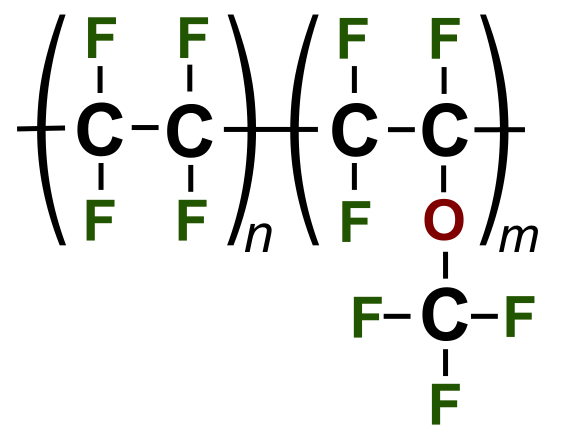
PFA (Perfluoroalkoxy) belongs to the group of fully fluorinated high-performance polymers and combines the exceptional chemical resistance of PTFE with melt processability that is essential for injection molding. This makes PFA particularly suitable for complex component geometries that must reliably withstand extreme thermal and chemical stress.
Among the fluoropolymers commonly used in injection molding, PFA offers the highest continuous service temperature of up to approx. 260 °C and offers higher mechanical strength than FEP. Compared to ETFE, PFA provides superior chemical resistance, but has lower mechanical strength and wear resistance.
Typical applications for injection-molded PFA components can be found in the semiconductor industry, chemical and process engineering, medical technology, as well as analytics and laboratory technology. Common applications include valve components, pump parts, high-purity tubing, seals, sensor housings, and fluid-handling components for aggressive chemicals.